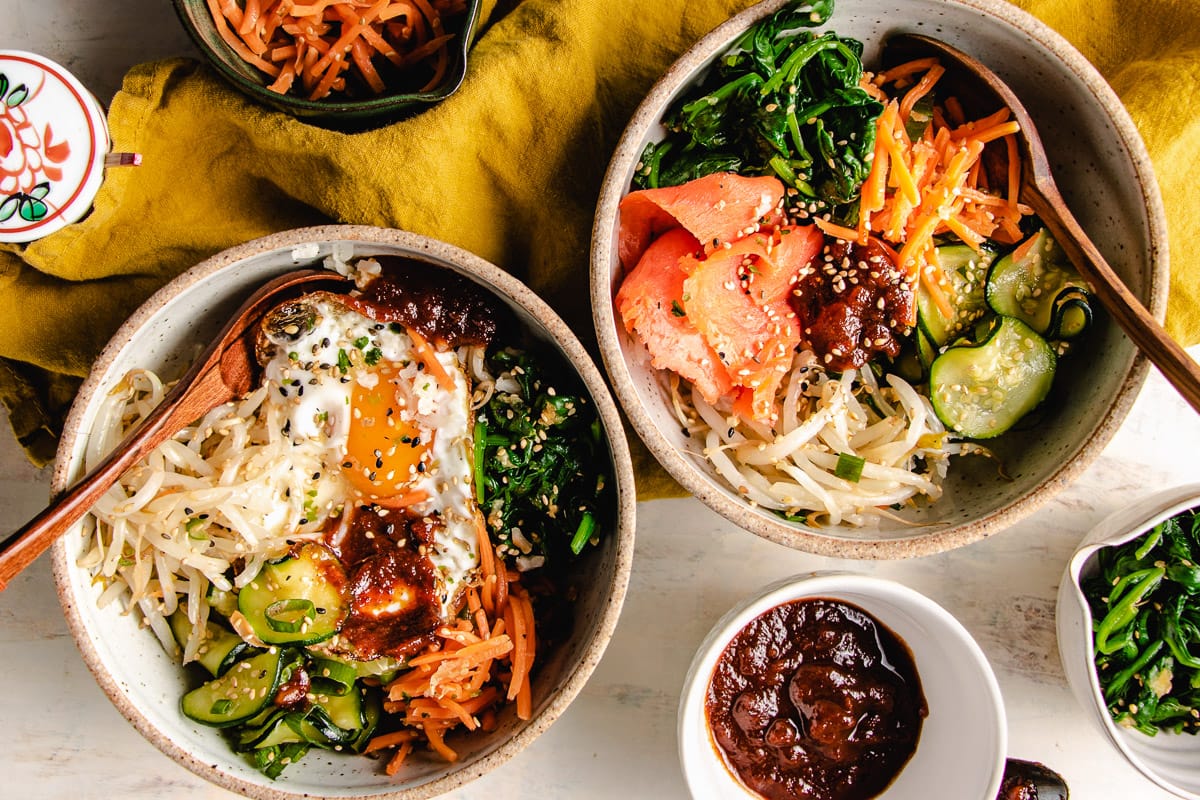
Discover the Delicious World of Korean Vegetarian Bibimbap
Bibimbap, a cornerstone of Korean cuisine, is renowned for its vibrant colors, diverse textures, and harmonious flavors. Its name, meaning "mixed rice," perfectly captures the essence of this iconic dish. While traditionally many bibimbap variations include meat, the rising popularity of plant-based eating has put the spotlight squarely on Korean vegetarian bibimbap. This meat-free rendition not only maintains the integrity and deliciousness of the original but also offers a wholesome, nutritious, and ethically conscious option for food lovers everywhere.
Crafting your own Korean vegetarian bibimbap is a rewarding culinary journey. It's a dish that celebrates fresh produce, thoughtful preparation, and a beautiful balance of sweet, savory, spicy, and umami notes. Whether you're a seasoned vegan, a curious flexitarian, or simply looking to incorporate more plant-based meals into your diet, this article will guide you through creating an authentic and unforgettable vegetarian bibimbap bowl that bursts with flavor and provides immense health benefits. Prepare to transform simple ingredients into a delightful culinary experience.
Crafting Your Authentic Korean Vegetarian Bibimbap: Ingredients & Preparation
The true beauty of Korean vegetarian bibimbap lies in the meticulous preparation of each individual component, which then converges to create a symphony of flavors upon mixing. To achieve that perfect balance, understanding and carefully preparing each element is crucial. For foundational insights into bibimbap preparation, you might find korean vegetarian bibimbap - Article 1 a helpful starting point.
Essential Components for Your Bibimbap
- The Perfect Rice Base: Short-grain white rice is traditional, offering a slightly sticky texture. Rinse it thoroughly until the water runs clear and cook until fluffy yet with individual grains distinct. For added nutrition and a nuttier flavor, consider brown rice or a mixed grain blend. Pro tip: Soaking rice for 30 minutes before cooking can yield a more tender and evenly cooked result.
- Vibrant Assorted Vegetables (Namul): These are key for visual appeal and nutrition. Each vegetable, or "namul," is typically prepared and seasoned individually, ensuring distinct flavors and textures.
- Spinach (Sigeumchi-namul): Quickly blanched until tender-crisp, squeezed dry to remove excess water, and then seasoned with minced garlic, a splash of soy sauce (or tamari for gluten-free), and a drizzle of sesame oil.
- Bean Sprouts (Kongnamul): Similarly blanched until just tender, then seasoned with garlic, soy sauce, and sesame oil, retaining their delightful crunch.
- Carrots (Danggeun-bokkeum): Julienne-cut carrots lightly stir-fried in a touch of oil until slightly softened but still vibrant.
- Zucchini (Hobak-bokkeum): Thinly sliced or julienned zucchini, sautéed until tender.
- Mushrooms (Beoseot-bokkeum): Sliced shiitake, oyster, or cremini mushrooms, sautéed until golden and fragrant, often seasoned with soy sauce and garlic.
- Bell Peppers (Piman-bokkeum): Strips of colorful bell peppers (red, yellow, orange) stir-fried briefly for a sweet crunch.
- Cucumber (Oi-namul): Thinly sliced cucumbers, lightly salted to draw out moisture, then seasoned with vinegar and a touch of sugar for a refreshing tang.
- Hearty Plant-Based Protein: Essential for making your Korean vegetarian bibimbap a truly complete and satisfying meal.
- Tofu (Dubu): Extra-firm tofu, pressed well to remove excess water, then cubed or crumbled. It can be pan-fried until crispy, baked, or air-fried, then marinated in a savory sauce (soy sauce, sesame oil, garlic, a hint of gochujang).
- Tempeh: Crumbled and sautéed, or sliced and pan-fried, offering a nutty, earthy flavor and firm texture. Marinade well to infuse flavor.
- Edamame: Cooked and shelled edamame beans provide a simple, quick, and protein-rich addition.
- Vegan "Meat" Alternatives: Crumbled plant-based mince, seasoned with classic Korean flavors like soy sauce, garlic, and a touch of sweetness, mimicking the texture of ground meat.
- Gochujang (Korean Chili Paste): This vibrant, fermented chili paste is the soul of bibimbap sauce, providing its signature sweet, savory, and spicy kick. For the perfect sauce, mix gochujang with a touch of sesame oil, rice vinegar, sugar or maple syrup, minced garlic, and a spoon of water to reach a pourable consistency. Adjust the proportions to your personal preference for heat and sweetness.
- Sesame Oil & Seeds: A final generous drizzle of toasted sesame oil over the finished bowl adds an indispensable nutty aroma and flavor. Toasted sesame seeds provide a pleasant crunch and visual appeal.
- Optional: Vegan Egg Alternative: While traditionally topped with a fried egg, vegan egg substitutes can be used to create a similar visual and textural element, or simply omit for a lighter feel.
Step-by-Step Assembly Guide for the Perfect Bowl
- Prepare All Components: Ensure your rice is cooked, all vegetables are prepared and seasoned, and your chosen plant-based protein is cooked and ready. Have your gochujang sauce mixed and ready.
- Layer the Rice: Place a generous, warm serving of cooked rice at the bottom of a large, wide bowl. The warmth of the rice is crucial for warming the toppings when mixed.
- Arrange the Toppings: Artistically arrange each prepared vegetable and protein in separate, colorful sections over the rice. Aim for a visually appealing presentation before mixing.
- Add the Sauce and Garnish: Spoon a dollop of your prepared gochujang sauce directly in the center or to one side. Garnish generously with toasted sesame seeds and a final drizzle of fresh sesame oil.
- Serve & Mix: Present the beautiful bowl to your diners. The ritual of mixing all the ingredients thoroughly with your spoon or chopsticks just before eating is an integral part of the bibimbap experience, allowing all the distinct flavors and textures to meld into a harmonious bite.
The Health Benefits of a Plant-Powered Korean Vegetarian Bibimbap
Beyond its incredibly appealing taste and vibrant presentation, Korean vegetarian bibimbap stands out as an exceptionally healthy meal choice. By focusing on plant-based ingredients, this version significantly amplifies the nutritional benefits, making it an ideal dish for a wholesome and balanced diet.
- Fiber-Rich Powerhouse: Loaded with a diverse array of vegetables, and especially when using whole grains like brown rice, bibimbap is an excellent source of dietary fiber. Fiber is vital for digestive health, helps regulate blood sugar levels, and promotes a feeling of fullness, aiding in weight management.
- Abundant in Vitamins and Minerals: The rainbow of vegetables ensures a wide spectrum of essential micronutrients. Spinach provides iron and Vitamin K, carrots are packed with Vitamin A, mushrooms offer B vitamins and selenium, and bell peppers contribute Vitamin C. This diverse intake supports everything from immune function to bone health.
- Heart-Healthy and Cholesterol-Free: By entirely eliminating animal meat and focusing on plant proteins like tofu or tempeh, this bibimbap naturally becomes very low in saturated fat and completely free of dietary cholesterol. This makes it a fantastic choice for maintaining cardiovascular health.
- Excellent Source of Plant Protein: Tofu, tempeh, and various vegetables contribute valuable plant-based proteins, which are crucial for muscle repair, enzyme production, and overall body function. They provide essential amino acids without the drawbacks often associated with excessive red meat consumption.
- Antioxidant and Phytonutrient Rich: The colorful vegetables and fermented gochujang are brimming with antioxidants and phytonutrients. These compounds help combat oxidative stress in the body, reduce inflammation, and may lower the risk of chronic diseases.
- Supports Gut Health: The high fiber content acts as a prebiotic, fostering a healthy gut microbiome, which is crucial for overall well-being and nutrient absorption.
Tips for Elevating Your Korean Vegetarian Bibimbap Experience
Once you've mastered the basic assembly of your Korean vegetarian bibimbap, the real fun begins: experimentation and personalization. There are countless ways to elevate and customize your bowl, making each dining experience uniquely yours. For a deeper dive into creative twists and culinary adventures with bibimbap, be sure to explore korean vegetarian bibimbap - Article 3!
- Embrace Seasonal Vegetables: Don't feel bound solely by the traditional namul. Incorporate whatever fresh, seasonal vegetables are abundant and appealing. Roasted asparagus, blanched broccoli rabe, roasted sweet potato cubes, or even thinly sliced radishes can add wonderful new dimensions.
- Master the Sauce: While gochujang is central, experiment with different gochujang brands as flavors can vary. Consider adding a touch of miso paste for extra umami depth, or a squeeze of lime juice for brightness. For those who prefer less heat, reduce the gochujang and increase other savory elements, or add a dollop of doenjang (Korean fermented soybean paste).
- Achieve the "Dolsot" Crunch: If you own a stone bowl (dolsot), lightly oil it with sesame oil and heat it over medium-high heat before adding your rice and toppings. The direct heat will create a prized layer of crispy, caramelized rice at the bottom – an utterly delicious texture known as "nurungji."
- Homemade Pickles for Tang: Quick-pickled daikon radish (mu-saengchae) or cucumbers can provide a fantastic tangy, refreshing counterpoint to the richness of the bibimbap. Their acidity cuts through the savory elements beautifully.
- Beyond Sesame Seeds: While sesame seeds are a must, consider other nutty toppings. Toasted pine nuts, crushed peanuts, or even slivered almonds can add extra crunch and a different flavor profile.
- Meal Prep Efficiency: Many components of bibimbap are excellent for meal prepping. Prepare your vegetables and protein a few days in advance and store them in separate airtight containers in the refrigerator. When it's mealtime, simply cook fresh rice, warm your toppings, and assemble for a quick, healthy meal.
Conclusion
Korean vegetarian bibimbap is more than just a meal; it's a vibrant, wholesome, and profoundly satisfying experience. This plant-powered classic beautifully combines a medley of colors, textures, and flavors, celebrating the versatility of fresh, nutritious ingredients. Each meticulously prepared component comes together in a symphony for the palate, offering a balanced and nutrient-dense meal that is both delicious and incredibly beneficial for your health. Embrace the art of crafting your own vegetarian bibimbap to explore culinary creativity and bring this iconic, healthy Korean staple into your home kitchen.
