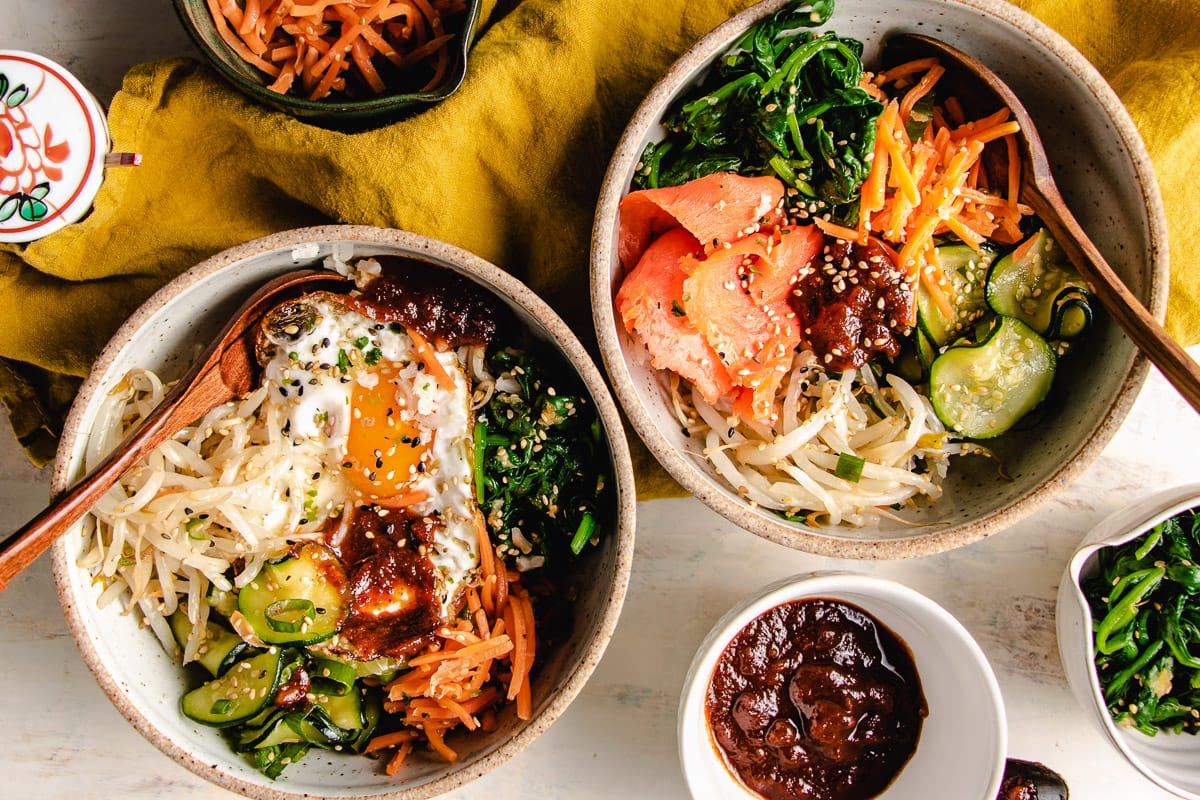
Embark on a culinary journey to Korea with a dish that's as vibrant as it is delicious: korean vegetarian bibimbap. This iconic mixed rice dish, traditionally featuring an array of seasoned vegetables, meat, and an egg, transforms beautifully into a wholesome, plant-based masterpiece. Far from being just a side dish, korean vegetarian bibimbap - Article 1 highlights it as a complete and balanced meal, celebrated for its harmony of flavors, textures, and colors. Whether you're a seasoned vegetarian, looking to incorporate more plant-based meals into your diet, or simply seeking a fresh and healthy culinary adventure, this article will guide you through creating your ultimate meat-free bibimbap.
The Essence of Korean Vegetarian Bibimbap: A Bowl of Harmony
At its heart, bibimbap literally means "mixed rice," a concept that perfectly encapsulates the dish's appeal. It's a visually stunning bowl featuring a bed of warm rice topped with an assortment of individually prepared ingredients, all artfully arranged before being mixed together with a dollop of spicy gochujang (Korean chili paste). The beauty of korean vegetarian bibimbap lies not just in its taste but also in its incredible versatility and adaptability, making it an ideal candidate for a vegetarian interpretation.
What Makes Bibimbap So Special?
Bibimbap is more than just a meal; it's an experience. Each spoonful offers a symphony of different tastes and textures – the chewiness of the rice, the crunch of fresh vegetables, the umami from mushrooms, and the delightful kick from the gochujang sauce. For vegetarians, this dish opens up a world of possibilities, allowing you to focus on the incredible bounty of plant-based ingredients while retaining the authentic Korean flavors. It's a testament to how traditional dishes can be reimagined to fit diverse dietary preferences without compromising on cultural integrity or taste.
Why Go Vegetarian with Bibimbap?
Opting for korean vegetarian bibimbap brings numerous benefits. From a health perspective, it's packed with fiber, vitamins, and minerals from a wide array of vegetables, often boasting a lower calorie count and less saturated fat than its meat-inclusive counterparts. Environmentally, choosing plant-based meals helps reduce your carbon footprint. Furthermore, for those with dietary restrictions or ethical considerations regarding meat consumption, it offers a delicious and satisfying way to enjoy one of Korea's most beloved dishes. The transition to a vegetarian version is remarkably seamless, as many of the traditional toppings are already vegetable-based.
Building Your Perfect Korean Vegetarian Bibimbap: Essential Components
Crafting an authentic and satisfying korean vegetarian bibimbap involves understanding its core components and preparing each element with care. The key is balance – ensuring that each ingredient contributes to the overall flavor profile without overpowering the others.
The Foundation: Perfectly Cooked Rice
The base of any great bibimbap is the rice. Traditionally, short-grain white rice is preferred for its sticky texture, which helps bind the ingredients together. However, feel free to experiment with healthier alternatives like brown rice, multi-grain rice, or even quinoa for an added nutritional boost. Ensure your rice is freshly cooked and still warm when assembling your bowl. A perfectly cooked grain of rice is neither too mushy nor too dry, providing the ideal canvas for your toppings.
The Star: Vibrant Vegetable "Namul"
The heart of any korean vegetarian bibimbap lies in its "namul" – individually prepared and seasoned vegetable side dishes. This is where you can truly let your creativity shine. Common vegetarian namul options include:
- Spinach (Sigeumchi-namul): Blanched and seasoned with garlic, sesame oil, and soy sauce.
- Bean Sprouts (Kongnamul): Simmered until tender-crisp and seasoned similarly to spinach.
- Carrots (Danggeun-namul): Julienne-cut and lightly sautéed.
- Zucchini (Hobak-namul): Thinly sliced and sautéed with garlic.
- Shiitake Mushrooms (Pyogo-beoseot-namul): Sautéed with soy sauce and sesame oil for an umami punch.
- Fernbrake (Gosari-namul): A unique, earthy-flavored fern, a staple in traditional bibimbap (ensure it's sourced and prepared correctly).
- Bell Peppers: Sautéed for color and sweetness.
Each namul should be seasoned lightly to allow its natural flavor to come through, contributing to the symphony of tastes when everything is mixed. For more detailed recipes and preparation techniques for these essential components, refer to korean vegetarian bibimbap - Article 1.
The Flavor Bomb: Gochujang Sauce (Vegetarian Version)
No bibimbap is complete without its signature spicy, savory, and slightly sweet gochujang sauce. While gochujang itself is vegetarian, the sauce often includes ingredients like minced beef in traditional preparations. For a fully vegetarian or vegan version, combine:
- Gochujang (Korean chili paste)
- Sesame oil
- A touch of sugar or maple syrup for sweetness
- Minced garlic
- Rice vinegar (optional, for tang)
- Toasted sesame seeds
Adjust the proportions to your taste, aiming for a balanced sauce that complements rather than overwhelms the fresh vegetables.
Optional Toppings for Extra Zing
To further enhance your korean vegetarian bibimbap, consider these additions:
- Fried Tofu or Tempeh: Marinated and pan-fried for a protein boost and satisfying texture.
- Pan-fried Egg: If you're ovo-vegetarian, a sunny-side-up or fried egg with a runny yolk is a classic bibimbap topping that adds richness.
- Avocado: Sliced avocado provides a creamy texture and healthy fats, a popular modern addition.
- Kimchi: Fermented cabbage kimchi adds a tangy, spicy, and probiotic kick (ensure it's vegetarian/vegan, as some kimchi contains fish sauce).
- Seaweed Strips (Gim): Crumbled roasted seaweed adds a salty, umami crunch.
Step-by-Step Guide to Crafting Your Own Korean Vegetarian Bibimbap
Making korean vegetarian bibimbap might seem like a multi-step process, but it's largely about parallel preparation and mindful assembly. The effort is well worth the reward!
Preparation is Key
- Cook the Rice: Start by cooking your chosen rice. This can be done in a rice cooker, on the stovetop, or using an Instant Pot.
- Prepare the Namul: While the rice cooks, prepare each vegetable topping. This usually involves blanching or lightly sautéing, then seasoning individually. This step can be done in advance for efficient meal prep.
- Mix the Sauce: Combine all ingredients for your vegetarian gochujang sauce.
- Prepare Optional Proteins: If using tofu or tempeh, marinate and pan-fry them.
Assembly: The Art of Layering
Once all your components are ready, it's time for the beautiful assembly:
- Place a generous serving of warm rice at the bottom of a large, wide bowl.
- Artfully arrange each of your colorful namul toppings in separate sections on top of the rice. Aim for a visually appealing "rainbow" effect.
- Add any optional toppings like tofu, avocado, or kimchi. If using an egg, place it directly in the center.
- Spoon a generous dollop of your vegetarian gochujang sauce over the center.
- Garnish with a sprinkle of toasted sesame seeds and thin strips of roasted seaweed, if desired.
Present the dish as is, allowing diners to admire the artistry before they dive in and mix everything together right before eating.
The Dolsot Experience (Stone Pot Bibimbap)
For an elevated experience, consider making Dolsot Bibimbap, where the dish is served in a super-heated stone pot. The hot stone pot creates a delightful crispy rice crust at the bottom and keeps the ingredients warm throughout the meal. To achieve this, simply oil the bottom of a heated Dolsot, add the rice, arrange the toppings, and let it sizzle for a few minutes before mixing. For detailed instructions and techniques for mastering the Dolsot, be sure to check out korean vegetarian bibimbap - Article 2.
Health Benefits and Why Korean Vegetarian Bibimbap is a Must-Try
Beyond its incredible taste and visual appeal, korean vegetarian bibimbap stands out as a remarkably healthy meal. It embodies the principles of balanced eating, offering a complete nutritional profile in a single bowl.
Nutrient-Rich and Balanced
This dish is a powerhouse of nutrients. The variety of vegetables ensures a rich intake of vitamins, minerals, and antioxidants, supporting overall health and boosting immunity. The use of whole grains, if opted for, adds substantial fiber, aiding digestion and promoting satiety. By eliminating meat, you significantly reduce saturated fat content, making it a heart-healthy choice. Furthermore, it's easily customizable for various dietary needs – gluten-free by using tamari instead of soy sauce, or low-sodium by adjusting seasoning.
Mindful Eating and Visual Appeal
The act of assembling and then mixing your bibimbap encourages mindful eating. The vibrant colors and distinct components invite appreciation before consumption, enhancing the dining experience. It's a satisfying and fulfilling meal that leaves you feeling energized without being heavy, making it perfect for any time of the day.
Whether you're looking for a healthy weeknight dinner, an impressive dish for guests, or simply craving the authentic flavors of Korean cuisine in a plant-based form, korean vegetarian bibimbap is an unbeatable choice. Its customizable nature means you can tailor it perfectly to your taste and what's in season, ensuring a fresh and exciting meal every time. Dive into the world of Korean flavors and discover the joy of this harmonious, wholesome, and utterly delicious dish.
